Milky Unicorn: A Bold Script Typeface for Editors
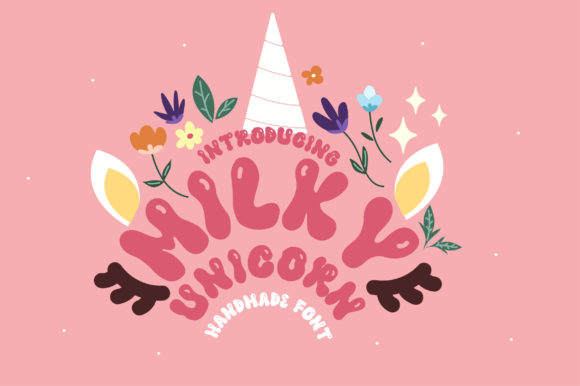
I was sitting in front of my screen last Tuesday, staring at a blank layout for a new lifestyle blog header. The content was ready—warm, inviting, and full of personality—but the typography felt flat. I needed something that could bridge the gap between a playful, whimsical mood and a professional editorial standard. That is when I decided to test Milky Unicorn, a bold typeface which comes in 2 styles. It s perfect for your own logos, texts, titles, posters and much more. Included as a bonus are cute unicorn illustrations. As someone who reviews fonts for publication projects daily, I know that finding the right Script Handwritten style within the vast ocean of available Fonts can make or break a design project.
Milky Unicorn for Editorial Headers and Blog Titles
The moment you load Milky Unicorn, it becomes clear why this Script Handwritten font stands out among other creative Fonts. The primary appeal lies in its boldness; many script fonts struggle with legibility when scaled up for headers, but this typeface maintains a strong, confident presence without losing its fluid, organic charm. In my recent redesign of a wellness blog, I used Milky Unicorn for the main H1 tags on the homepage. The thick strokes of the letters created an immediate visual anchor, guiding the reader's eye straight to the core message. Because the font is so expressive, it instantly establishes a brand identity that feels personal and approachable, yet polished enough for a serious publication.
When working with digital layouts, readability on mobile devices is often the biggest concern for display fonts. However, the two distinct styles included in the Milky Unicorn package offer flexibility that is rare in this category. One style leans slightly more toward a traditional calligraphic flow, while the other offers a bit more structure, making it ideal for varying headline lengths. Whether you are designing a newsletter header or a magazine cover feature, this typeface commands attention without shouting. It strikes a delicate balance where the decorative elements enhance the text rather than distract from it, ensuring your editorial hierarchy remains intact even on smaller screens.
Using Milky Unicorn for Logo Design and Brand Identity
Beyond editorial layouts, Milky Unicorn shines as a cornerstone for logo design and broader brand identity work. The description notes that it is perfect for your own logos, and after testing it for a fictional boutique stationery brand, I can confirm its versatility. The curves and flourishes inherent in this Script Handwritten family allow designers to create unique wordmarks that feel custom-made. Unlike generic sans serif fonts that dominate the corporate world, Milky Unicorn injects a sense of magic and creativity into a brand's visual language.
For independent creators building their business around printables, coaching services, or handmade goods, having a distinctive logo is essential. The bold nature of the font ensures that the logo remains legible even when shrunk down for social media profile pictures or favicon icons. Furthermore, the inclusion of cute unicorn illustrations as a bonus adds a layer of value that extends beyond just the typeface. These assets can be integrated directly into the logo lockup or used as standalone brand marks, creating a cohesive ecosystem of design assets. This approach allows a brand to tell a story through both its name and its imagery, fostering a deeper connection with the audience.
Milky Unicorn for Posters, Worksheets, and Printables
If you are a creator of educational materials or printable planners, Milky Unicorn offers a refreshing alternative to the sterile, rigid fonts often found in productivity tools. The prompt mentions it is perfect for posters, and I have seen this firsthand when laying out a motivational poster series for a youth coaching program. The handwritten quality of the font makes the content feel like a personal note from a mentor rather than a mass-produced directive. This emotional resonance is crucial for engagement, especially in niches like self-care, mindfulness, and children's education.
When designing worksheets or activity pages, the font works beautifully for section headers and title blocks. It breaks up the monotony of dense instructional text, making the page feel less intimidating and more inviting. The two styles provided allow you to differentiate between primary instructions and secondary notes, adding necessary visual rhythm to the document. Additionally, the cute unicorn illustrations included in the package serve as excellent decorative elements for these printables. They can be placed in margins, used as bullet points, or featured as reward stickers, turning a simple PDF download into a delightful user experience. This level of detail is what separates a good design from a memorable one.
Typography Pairing and Readability Considerations
While Milky Unicorn is a powerhouse for headlines and decorative text, it is important to understand its limitations regarding body copy. As a bold, expressive Script Handwritten font, it is not designed for long paragraphs of reading material. Using it for entire articles or dense captions would likely fatigue the reader's eyes and hinder comprehension. Instead, the best practice is to treat it as a display font and pair it with a clean, neutral sans serif or a highly readable serif font for the main text.
In my editorial workflow, I typically pair Milky Unicorn with a modern geometric sans serif for navigation menus and body text. This combination creates a sophisticated contrast: the playful, organic curves of the script are grounded by the structured, stable lines of the sans serif. This pairing ensures that your publication maintains high readability standards while still benefiting from the unique personality of the script. For instance, in a recipe ebook, you might use Milky Unicorn for the dish names and chapter openers, while using a crisp sans serif for the ingredient lists and step-by-step instructions. This strategy respects the reader's need for clarity while leveraging the font's aesthetic strengths to build a compelling visual narrative.
Commercial Licensing and File Formats for Creators
Before integrating Milky Unicorn into any commercial project, such as paid newsletters, client publications, or digital downloads, it is vital to review the licensing terms. As a premium font asset, understanding whether the license covers web use, print runs, or embedded usage in ebooks is critical for compliance. The product details highlight that it is suitable for logos, texts, titles, and posters, implying a broad scope of application, but always verify the specific rights associated with the purchase.
From a technical standpoint, ensure that the file formats provided (typically OTF or TTF) are compatible with your design software, whether you are using Adobe Creative Cloud, Canva, or Affinity Publisher. The availability of multiple styles within the single package streamlines the design process, reducing the need to hunt for complementary weights. By choosing a robust font like Milky Unicorn, you are investing in a versatile tool that supports everything from a quick social media graphic to a comprehensive brand overhaul. Its ability to adapt to various contexts while maintaining its unique character makes it a valuable addition to any designer's library, ready to bring a touch of whimsy and professionalism to your next big project.